

Navigating Arbitration in South Carolina
Navigating Arbitration in South Carolina

Navigating Arbitration in South Carolina

This recent blog post covered the Federal Trade Commission (FTC)’s final rule banning non-compete agreements nationwide. The rule states that a non-compete agreement or clause is an unfair method of competition, and…

After the FTC issued a final rule banning non-compete agreements nationwide, businesses must be mindful of the impacts that this rule has on their future agreements with employees. While we commented on…
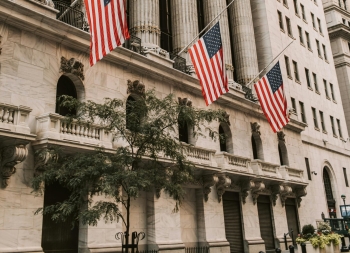
The new Retirement Security Rule marks a pivotal shift in the regulation of financial advice provided to retirement investors. This rule redefines who qualifies as an investment advice fiduciary under the Employee…

What happens when you rely on a financial or investment advisor to manage your investments only to find that they failed to act in your best interests and protect your money? You…

Most business organization statutes including those for corporations, limited liability companies, and limited partnerships provide remedies for oppressed shareholders or partners. Statutes generally are phrased in terms of the power of the…

What happens when the personal representative of a will acts in their own interests rather than the best interests of the deceased? Similarly, what if a corporate officer engages in self-dealing rather…

Changes affecting the South Carolina Residential Property Agreement to Buy and Sell Real Estate (Property Agreement) went into effect on June 13, 2022. These changes, promulgated by the South Carolina Association of…

A default judgment has serious repercussions. In South Carolina, a party that has been served with the complaint (the defendant) has 30 days to file an answer. There are certain rules that…

Independent contractors are playing an increasingly common role in our economy, with the advent of the gig economy and more freelance jobs than ever before. When done properly, classifying a worker as…